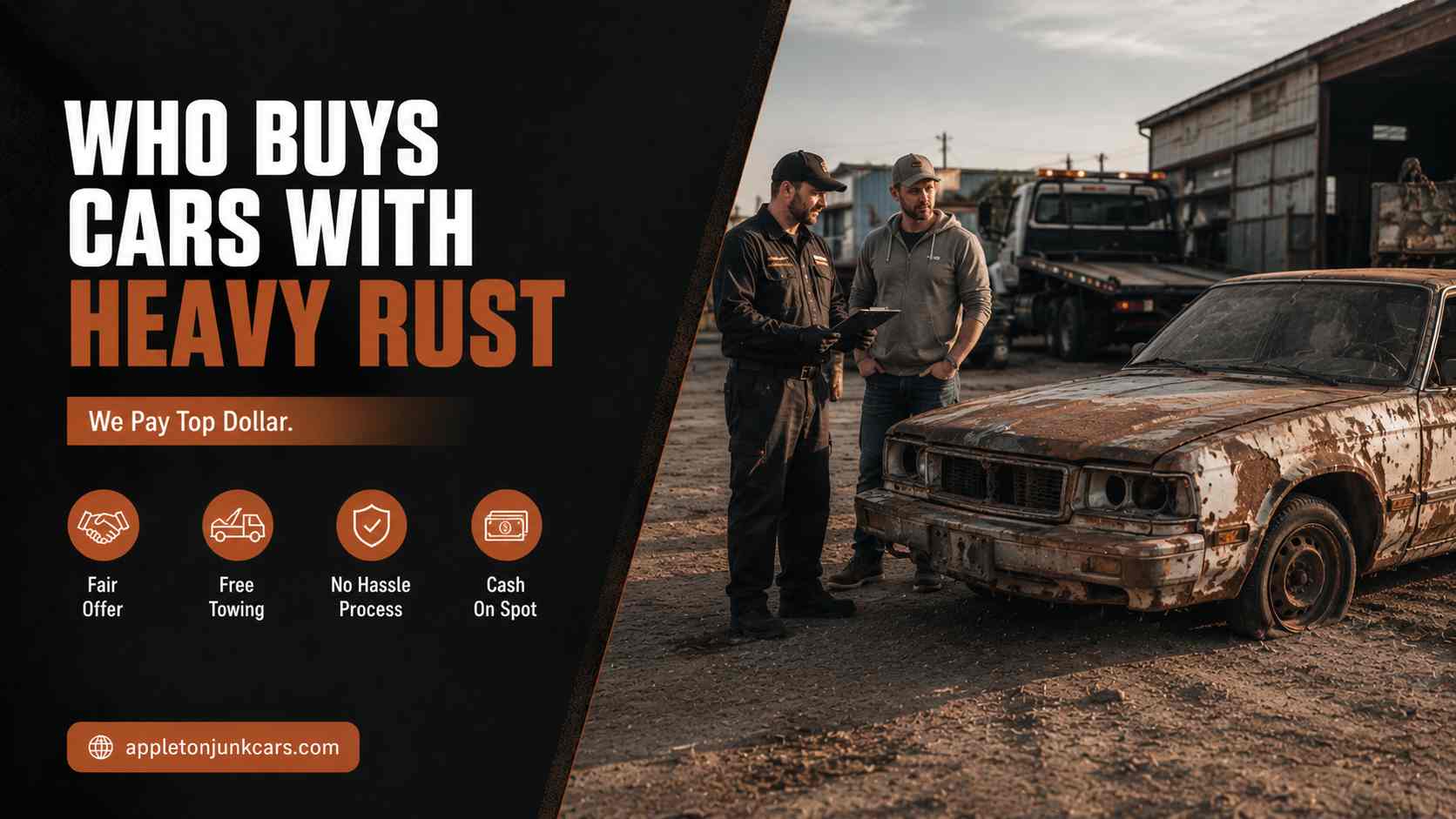
Heavy rust is one of the most off-putting conditions a car can have when it comes to selling, primarily because most private buyers immediately walk away from a visibly rusted vehicle. But the buyer market for rusty cars is larger than most owners realize, and the value you can get depends heavily on one key distinction that most rust-related guides never address: where the rust is.
There is a massive difference between cosmetic rust on body panels and structural rust on the frame, subframe, floor pans, and suspension mounting points. Surface rust that affects appearance but not integrity is a manageable problem that some buyers accept. Frame rust that compromises structural safety is a different situation entirely, and it dramatically limits both who will buy the car and what they will pay.
Cosmetic Rust vs Structural Rust: The Distinction That Changes Everything
Before deciding where to sell, you need to know which type of rust you are dealing with. This single assessment shapes every option that follows.
Cosmetic (Surface) Rust
Surface rust on body panels, door edges, wheel arches, and exterior trim is common on vehicles from northern states and coastal areas where road salt and salt air accelerate oxidation. This rust affects appearance but not structural integrity. A car with cosmetic rust still drives safely, passes most state inspections (if the floor pans are solid), and can be priced somewhat below market value to attract buyers who are willing to live with the appearance or who plan to address it themselves. Surface rust does not eliminate any buyer category.
Structural (Frame) Rust
Rust on the frame rails, subframe, floor pan, suspension mounting points, strut towers, or control arm mounting locations is structural rust. Structural rust compromises the crash protection and handling geometry of the vehicle and in many states will cause the car to fail its safety inspection. A car with significant frame rot may not be drivable safely and in some cases is not legally roadworthy. This type of rust significantly limits the buyer pool and pushes the car firmly into the junk or parts category regardless of how well the engine runs.
Buyer Type 1: Online Instant-Offer Services
Online buyers like Peddle, Wheelzy, and CarBrain buy cars with rust in both cosmetic and structural conditions. They accept non-running vehicles and heavily damaged ones, and they include free towing. Their offers for rusty cars are based on the vehicle’s overall condition, make, model, age, and the demand for its parts in their resale network.
What Affects Their Offer on a Rusty Car
A desirable make and model with cosmetic rust but a running engine and functioning major systems will get a meaningfully higher offer than a less sought-after vehicle. A car with severe frame rust that affects drivability will receive an offer based primarily on scrap metal weight rather than parts value. Getting quotes from two or three platforms takes 15 minutes and is worth doing before calling any junkyard, because online buyers often pay $200 to $500 more for the same vehicle.
Buyer Type 2: Local Junkyards and Scrap Yards
Local salvage yards and scrap metal buyers accept rusty cars in any condition. They pay based on weight and current scrap metal prices. For a severely rusted vehicle with limited parts value, a junkyard is often the most realistic buyer. Expect $100 to $400 for most common passenger vehicles at scrap prices. Trucks and larger vehicles earn more because they weigh more.
How to Get Better Junkyard Prices
Call three or four local yards, not just one. Scrap metal prices fluctuate week to week and yard to yard. Tell them the year, make, model, and mileage and ask specifically what they would pay. Ask if the quote includes towing. Some yards offer more money if you can deliver the car yourself. If your car has valuable specific parts (working engine, clean catalytic converter, good interior) mention them explicitly: some yards pay separately for desirable components rather than treating everything as scrap weight.
Buyer Type 3: Private Buyers and DIY Restorers
For certain vehicle makes and models, a heavily rusted car with a solid drivetrain attracts private buyers who either plan to restore it or want it for parts. Classic and vintage vehicle communities specifically seek rust-damaged examples of desirable models because the drivetrain components are the hard-to-find parts, and rust is a cosmetic problem that dedicated restorers know how to address.
Where to Find These Buyers
Facebook Marketplace, Craigslist, and model-specific car forums are the best places to reach private buyers for rusty vehicles. Being completely honest about the rust location and severity in your listing attracts serious buyers and avoids wasted viewings. Include underbody photos showing the frame condition. Buyers who specifically search for project cars know what they are looking for and will not be scared off by honest rust disclosure the way casual buyers are.
Models That Attract Rust Buyers
Trucks and SUVs with frame rust but running drivetrains attract buyers who want the motor, transmission, transfer case, or axles. Classic and vintage models from the 1960s through 1980s attract restorers even in rusty condition. Vehicles with engine swaps or aftermarket parts that have resale value attract buyers seeking those specific components. If your rusty car is an unremarkable appliance-grade sedan with no special features, the private buyer market will be thin.
Buyer Type 4: Parts Dealers and Parting Out Yourself
If you are willing to invest time, parting out the vehicle yourself almost always produces more total money than any whole-car sale. Selling the engine, transmission, catalytic converter, doors, hood, and interior components individually to private buyers or small repair shops can generate several times the junkyard price. The catalytic converter alone on many vehicles is worth $100 to $800 depending on its precious metal content.
Is Parting Out Worth It?
Parting out makes financial sense when the car has desirable and valuable components that a junkyard would buy only at scrap price. It does not make sense for very old high-mileage vehicles with worn-out parts that have little demand. If you have storage space, time, and access to basic tools, parting out a desirable model can realistically produce $1,000 to $3,000 more than selling the car whole to a junkyard. If you need it gone this week, any of the whole-car buyer options above are more practical.
Frequently Asked Questions
Who buys cars with heavy rust?
Online instant-offer services like Peddle and Wheelzy buy rusty cars with free towing included. Local salvage yards and scrap metal buyers accept any level of rust for cash. Private buyers and restorers on Facebook Marketplace and Craigslist seek project vehicles. The right buyer depends on whether the rust is cosmetic or structural and how desirable the vehicle’s drivetrain components are.
How much is a car with heavy rust worth?
A car with severe structural rust and a running engine might sell to an online buyer for $300 to $900 depending on the make and weight. Junkyard scrap value runs $100 to $400 for most passenger vehicles. Private buyers who want it for restoration or specific parts might pay $500 to $2,000 for a desirable model with a solid drivetrain, even with significant body rust. Get multiple quotes before deciding.
Can a heavily rusted car pass inspection?
It depends on the state and what is rusted. Surface rust on body panels usually does not affect safety inspection in most states. Frame rot, rusted-through floor pans, or rust on suspension mounting points will cause a failure in most states that conduct safety inspections, because these affect structural integrity and crash protection. A car that cannot pass inspection has a limited legal driving life and should be priced accordingly.
The Bottom Line
A heavily rusted car has real value to the right buyer. Identify whether the rust is cosmetic or structural, because that determination shapes every option. Get quotes from two or three online instant-offer services and one local junkyard. If the car is a desirable make or model, list it privately for one to two weeks before accepting a junkyard offer. Parting it out yourself will produce the most money if you have the time and storage. Never accept the first offer as the only offer.