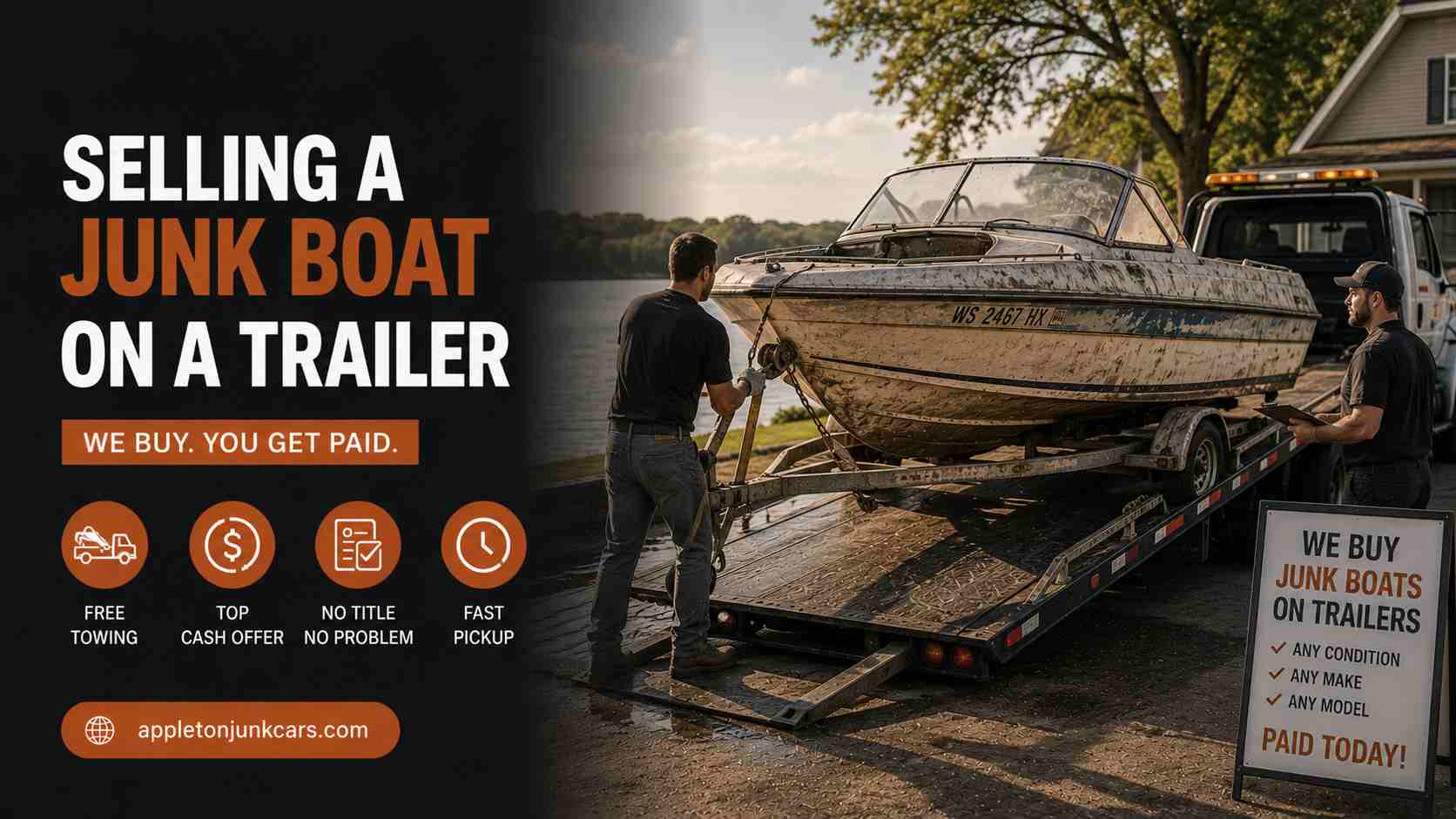
The boat has been sitting on its trailer in the driveway or storage yard for three seasons. The engine is seized, the hull has cracks, or the upholstery and flooring deteriorated to the point where fixing it costs more than it is worth. What most sellers do not realize until they start making calls is that a junk boat on a trailer is actually two separate assets with different buyers, different title requirements, and different values, and treating them as one unit typically leaves money behind.
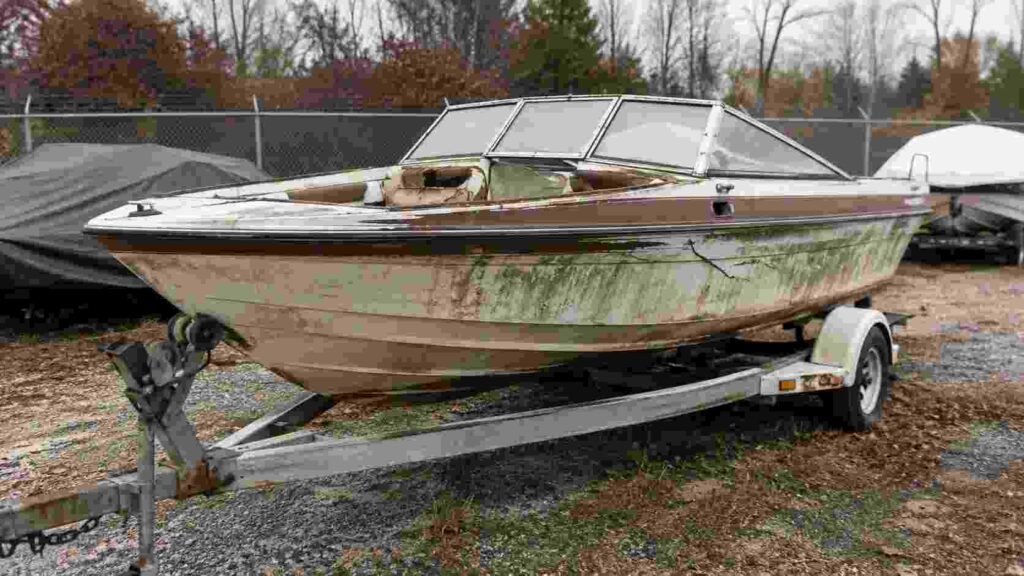
Selling a junk boat on a trailer is more complicated than selling a junk car, but the market is more active than most sellers expect. Marine salvage companies, boat recyclers, scrap metal yards that accept aluminum and fiberglass, and private buyers who want a project or the engine components are all actively looking for what you have. The challenge is matching your specific boat and trailer combination to the right buyer in the right order.
This guide covers exactly what a junk boat and trailer are worth by type, who each buyer is and how they price the package, when selling the boat and trailer separately earns more, and what the title process requires for both assets.
Why a Junk Boat on a Trailer Is a Different Transaction Than Most People Expect
A boat and trailer are two separately titled assets in most states. The boat has its own title (or hull documentation for larger vessels). The trailer has its own vehicle title, separate from the boat. This means a sale of the combined package involves two title transfers, and complications with one do not necessarily block the sale of the other.
The second important distinction: fiberglass boats do not have straightforward scrap value. Unlike a steel or aluminum vehicle, a fiberglass hull cannot simply be shredded and sold as a commodity. Fiberglass recycling infrastructure is limited, which means a badly deteriorated fiberglass boat has very little scrap value and in some markets actually costs money to dispose of. The motor, trailer, and any usable hardware carry most of the value for an end-of-life fiberglass boat.
Aluminum boats are a different story. Aluminum hulls have strong scrap value because aluminum is a valuable commodity. An aluminum fishing boat or jon boat at the end of its life still earns meaningful money at a scrap yard. This distinction, fiberglass versus aluminum construction, is one of the most important factors in determining your sale approach.
What a Junk Boat Is Actually Worth in Today’s Market
Boat Type / Hull Material | Scrap or Parts-Only Value | Non-Running Project Buyer Range | Running but Damaged Range |
|---|---|---|---|
Aluminum fishing boat (12 to 18 ft) | $200 to $700 (aluminum scrap) | $400 to $1,500 | $800 to $3,500 |
Fiberglass bass boat or runabout (16 to 22 ft) | $50 to $300 (motor and hardware only) | $300 to $1,200 | $600 to $4,000 |
Fiberglass cabin cruiser (22 to 30 ft) | $100 to $500 (motors, hardware) | $500 to $3,000 | $1,500 to $8,000 |
Pontoon boat (20 to 26 ft, aluminum tubes) | $300 to $900 (aluminum scrap) | $600 to $2,500 | $2,000 to $7,000 |
Bowrider or ski boat (18 to 24 ft, fiberglass) | $75 to $400 (motor and parts) | $400 to $1,800 | $1,000 to $5,000 |
Center console (fiberglass, 16 to 24 ft) | $100 to $600 (motor, electronics) | $500 to $2,500 | $1,500 to $8,000+ |
PWC / Jet Ski (any brand) | $100 to $400 (engine parts, hull) | $300 to $900 | $600 to $3,000 |
The motor is the single most valuable component on most junk boats regardless of hull condition. A two-stroke outboard motor from Yamaha, Mercury, Evinrude, or Johnson with rebuildable lower units and no water intrusion in the powerhead sells for $200 to $1,500 depending on horsepower and age. A four-stroke outboard in the same condition sells for $400 to $2,500. Selling the motor separately before disposing of the hull frequently produces more total value than any combined package deal.
The Trailer: Often the More Valuable Asset in the Package
A boat trailer in good condition is worth more to the right buyer than the junk boat sitting on top of it. This is one of the most consistently overlooked aspects of junk boat sales. Buyers who want the boat often do not want the trailer. Buyers who want the trailer often do not want the boat. Treating the package as inseparable eliminates both buyer pools.
Trailer Type and Condition | Estimated Standalone Value | Who Buys It |
|---|---|---|
Single-axle aluminum boat trailer (16 to 22 ft), good condition | $600 to $1,800 | Private buyers, marine dealers |
Tandem-axle aluminum trailer (22 to 28 ft), good condition | $1,200 to $3,500 | Private buyers, marine dealers |
Single-axle galvanized steel trailer, fair condition | $300 to $900 | Private buyers, boaters |
Tandem-axle steel trailer, fair condition | $600 to $1,800 | Private buyers, boaters |
Any trailer with rotted bunks, bad wheel bearings, rusty frame | $100 to $400 | Scrap or parts only |
Trailer with current registration and lights working | Add $150 to $400 to any above range | Private buyers prefer road-ready |
The trailer has its own vehicle title in most states, which means it can be sold independently of the boat at any time. Listing the trailer separately on Facebook Marketplace or Craigslist with photos of the frame, bunks, and lights while simultaneously offering the boat separately or to a marine buyer often produces more total money than the combined package would earn from any single buyer.
Who Buys Junk Boats and What Each Type of Buyer Pays
Marine Salvage Yards and Boat Recyclers
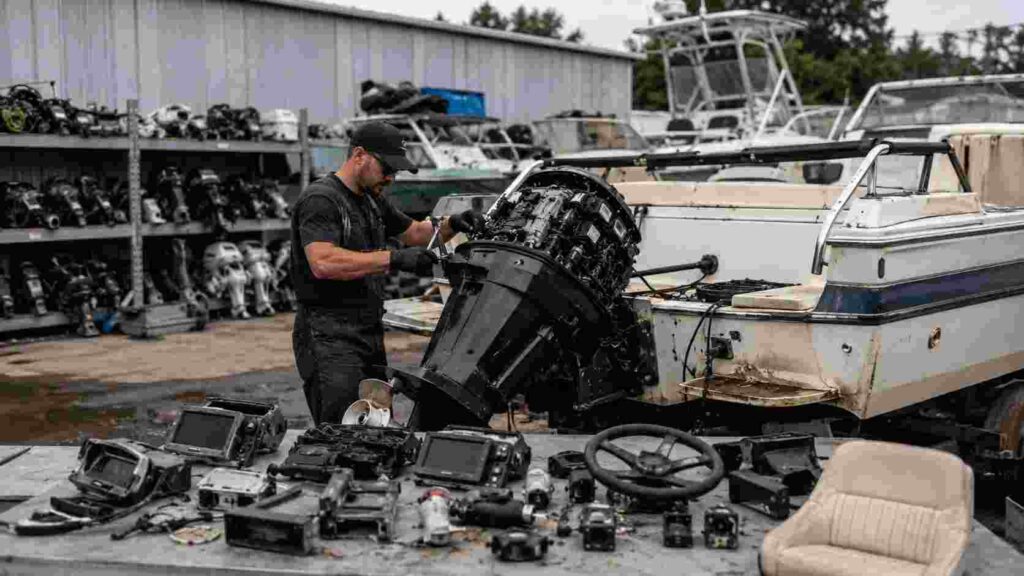
Marine salvage operations specialize in buying end-of-life or non-running boats for their motors, hardware, electronics, and in the case of aluminum hulls, the metal itself. They strip motors, steering systems, trim tabs, depth finders, live wells, bilge pumps, and seating for resale to boat owners and repair shops. These buyers are the correct first call for any boat with a functional or rebuildable motor, intact electronics, or hardware in good condition. They pay more than a scrap yard for an intact boat precisely because they can sell the components individually.
Private Buyers: Project Seekers and Rebuild Enthusiasts
The private buyer market for junk boats is active on Facebook Marketplace, Craigslist, and eBay Motors. Buyers in this category include mechanics who enjoy rebuilding outboard engines, weekend project seekers who want a cheap fishing boat to restore, and DIY owners who need a specific hull design and can handle the repair work themselves. These buyers pay the most for any boat that is structurally sound with a repairable mechanical issue. A boat with a blown lower unit or a seized powerhead that is otherwise intact and cosmetically decent is a strong private sale candidate.
Scrap Metal Yards for Aluminum Hulls
Aluminum fishing boats, jon boats, and pontoon tubes have genuine commodity value at a scrap metal yard. Aluminum scrap prices fluctuate with the commodity market but typically run $0.35 to $0.65 per pound. A 14-foot aluminum jon boat weighing 200 to 300 pounds yields $70 to $195 in pure aluminum scrap value. A 22-foot pontoon with three aluminum tubes weighing 400 to 600 pounds yields $140 to $390. These are floor values: any marine salvage operation or private buyer with interest in the motor or hardware pays more.
Boat Dealers and Consignment
Some boat dealers accept trade-ins or consignment on junk boats when the hull is well-known and parts are in demand. This is a minority of dealers and is most common with popular fishing boat brands, pontoon brands, and brands where the dealer carries parts inventory. A dealer who can move your motor and clean up the hull for resale may offer more than a marine salvage yard but requires that the boat have more remaining value than a genuinely end-of-life unit provides.
Pricing the Boat and Trailer Together vs Separately
The decision to sell together or separately depends on the relative condition of each asset and the time you have available.
Sell together when: the trailer is in poor condition and worth little more than scrap, the boat has damage that limits private buyer interest, or you need the entire package gone quickly. A combined package to a marine salvage buyer or junk vehicle service produces one transaction with one towing arrangement and one payment.
Sell separately when: the trailer is in good condition, or the motor is functional while the hull is compromised, or both assets have genuine independent value. Separate listings capture the full buyer pool for each asset. A trailer worth $1,200 sold to a boater plus a motor worth $600 sold through Facebook Marketplace plus the hull sold to a marine scrapper for $150 produces $1,950 total. The same package sold together to a junk buyer likely produces $500 to $800.
The effort of separate sales is real: two listings, two title transfers, two buyers, and potentially two pickup logistics to manage. For most sellers, if the trailer is in genuinely good condition and the motor is functional, the additional effort pays for itself many times over.
The Title Requirements for Both the Boat and the Trailer
Boat Title and Hull Documentation
Boats under 14 feet in most states are not required to have a title, though they must be registered. Boats 14 feet and over are titled in most states through the state’s boating or DNR agency rather than the motor vehicle DMV. The title transfer process for a titled boat is similar to a vehicle: the seller signs the back of the title, provides the hull identification number (HIN), and the buyer processes the transfer with the appropriate state agency. The HIN is a 12-character alphanumeric code on the transom, similar to a VIN.
Trailer Title
The trailer has a separate vehicle title issued by the state DMV, identical in structure to a car or truck title. Trailers over a certain weight (typically 3,000 pounds in most states) require their own registration and title. The title transfer process is standard: seller signs the back, buyer transfers at the DMV. A trailer title and boat title are completely independent documents and can be transferred to different buyers at different times.
When Either Title Is Missing
A missing boat title requires a replacement through the state boating agency rather than the DMV. A missing trailer title requires a replacement through the DMV. Both processes take one to three weeks and cost $15 to $35. For junk boats of very low value, some states have title-waiver or abandoned vessel disposal programs that allow disposal without a full title transfer. Contact your state’s fish and wildlife or DNR agency for the specific rule in your state.
What Sellers of Junk Boats Consistently Discover
Sellers who have navigated junk boat sales share consistent findings. The most common: they sold the package together to the first buyer who responded and later learned that the trailer alone was worth more than the total package price they accepted. Boat trailers in good condition have consistent private buyer demand from boaters looking to replace worn trailers or upgrade to a larger one. Selling the trailer separately almost always outperforms bundling it with a junk hull.
The second consistent finding involves the motor. Sellers who removed and sold a functional outboard motor through Facebook Marketplace or eBay before calling any salvage buyer consistently recovered $300 to $1,500 more total than those who sold the whole unit. Outboard motor buyers are active, numerous, and willing to pay fair market value for a motor they can verify runs or is rebuildable. Salvage yards pay for the motor at wholesale parts value, which is significantly lower.
Those who had the best overall outcomes treated the boat, the motor, and the trailer as three separate assets from the beginning. They listed each independently, used the buyer for each segment, and sold the hull last once the most valuable components were removed. The process took two to three weeks longer but produced 60 to 120 percent more total recovery than a same-day combined sale would have.
Frequently Asked Questions
Who buys junk boats near me?
Marine salvage yards are the most consistent commercial buyers for non-running or damaged boats. They buy for motor, hardware, and in the case of aluminum hulls, the metal value. Private buyers through Facebook Marketplace and Craigslist are often the highest-paying option for any boat with a rebuildable motor or a structurally sound hull. Scrap metal yards accept aluminum boats and pontoon tubes for commodity metal value. Some junk car buying services have expanded to accept boats and trailers as part of a combined sale.
How much is a junk boat worth?
A junk boat is worth $50 to $3,000 or more depending on hull material, size, motor condition, and which buyer you reach. Aluminum boats have genuine scrap value at commodity prices. Fiberglass boats have little scrap value and earn money primarily from the motor, electronics, and hardware. A boat with a functional or rebuildable motor is worth significantly more than one with a seized or missing powerhead, regardless of hull condition.
Can I sell a boat without a title?
Selling a boat without a title is possible but limits your buyer pool. Most legitimate buyers require a title for legal ownership transfer. Scrap buyers and some private buyers will work without a title in certain states for very low-value boats. For boats 14 feet and over, a title is generally required. Replacement boat titles are obtained through your state’s boating agency or DNR rather than the DMV, which handles trailer titles separately.
Is a boat trailer worth more than the boat?
For junk boats in poor condition, yes, the trailer is frequently worth more than the hull. A single-axle aluminum boat trailer in good condition with functional lights and good bearings sells for $600 to $1,800 privately. A tandem-axle trailer in similar condition sells for $1,200 to $3,500. A fiberglass boat in genuinely junk condition with no working motor may be worth less than $300 to any buyer. Selling the trailer separately from the hull maximizes total recovery in most cases where the trailer is in good condition.
What do I do with a boat that has no value?
A boat with no buyer value is typically a deteriorated fiberglass hull with no motor and no usable hardware. Options include contacting your state’s marine disposal program (some states have abandoned boat or clean vessel programs that facilitate disposal), calling a fiberglass recycler in your region, or contacting your county solid waste authority about large item disposal. In some states, you can surrender the boat to a state-approved facility. Do not abandon the boat on public or private property, as this creates legal liability.
Do I need to cancel the boat registration after selling it?
Yes. After selling or scrapping a boat, notify your state’s boating agency to cancel or transfer the registration in your name. The process varies by state but typically involves submitting a notice of transfer or a cancellation form with the boat’s hull identification number and your information. Failing to cancel the registration can result in continued registration fees billed to you and potential liability for violations that occur after the sale.
Who buys old outboard motors?
Old outboard motors are purchased by private buyers through Facebook Marketplace, Craigslist, and eBay who plan to use, rebuild, or part them out; by marine mechanics who source used motors for repair customers; by marine salvage yards that stock motors for the used parts market; and by scrap metal yards for the aluminum and steel content. Private sale through online platforms consistently produces the highest recovery for any motor that starts or shows signs of being rebuildable.
How do I get rid of a boat quickly?
The fastest way to get rid of a junk boat is to contact a junk vehicle service that accepts boats (several national platforms now include boats and trailers), call a marine salvage yard for same-day pickup, or post on Facebook Marketplace with aggressive pricing for quick response. Marine salvage yards typically complete pickup within two to five days. Junk vehicle services that accept boats can arrange pickup within 24 to 48 hours. Private sale is the slowest option but often the highest-paying for boats with working motors or sound hulls.
The Bottom Line
A junk boat on a trailer is two assets, not one, and the approach that generates the most money treats them that way from the start. The trailer has a buyer pool of boaters who need a good trailer. The motor has a buyer pool of mechanics and project buyers who will pay fair market value for a rebuildable powerhead. The hull, particularly if it is fiberglass, has the narrowest buyer pool and the lowest recovery of the three components.
The fastest single-transaction outcome is to call a marine salvage yard or a junk vehicle service that accepts boats, let them take the whole package, and have it gone within a week. The highest-recovery outcome is to sell the trailer separately, sell the motor separately, and then sell or donate the hull. The difference in total recovery between these two approaches is often $600 to $1,500 or more on a typical package.
Title clarity for both the boat and the trailer should be confirmed before any listing or sale attempt. Two separate titles, two separate transfer processes, and two separate state agencies in some states. Starting with that paperwork organized means the actual sale is a faster, cleaner transaction for every buyer type you contact.